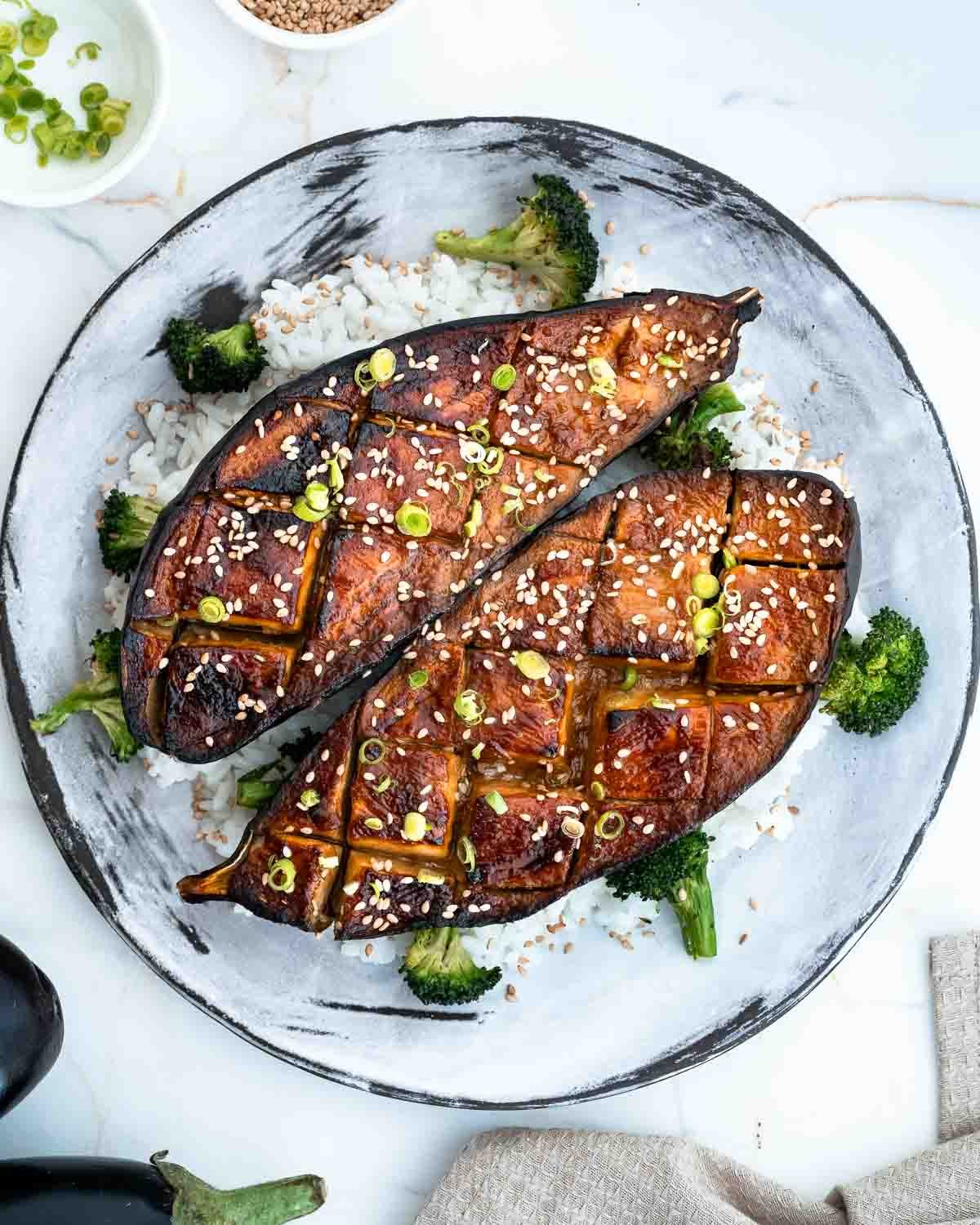
Nasu Dengaku Made Easy: Sticky Miso Aubergine for Any Meal
Imagine a dish that is at once sweet, savoury, and deeply umami, with a texture so tender it practically melts in your mouth. This isn't a complex gourmet creation, but rather the humble yet extraordinary `miso glazed aubergines`, famously known as Nasu Dengaku. Whether you're a seasoned chef or a kitchen novice, this recipe promises to transform your perception of aubergine, proving that incredible flavour doesn't always demand endless hours. It’s a versatile vegetarian delight, perfect as a vibrant starter, a comforting side, or even the star of a light dinner.
What is Nasu Dengaku? Unpacking the Umami Magic of Miso Glazed Aubergines
Nasu Dengaku, which translates roughly to "aubergine grilled with miso," is a beloved traditional Japanese dish with roots deeply embedded in culinary history. Historically, it was a celebratory dish, often served to mark the joyous occasion of the Spring rice planting season. Traditionally, Japanese aubergines, which are longer and narrower than their European counterparts, were split, scored, and then grilled over an open fire until perfectly tender. They were then adorned with a luscious, sweet, and savoury miso sauce, which would caramelize beautifully under the heat.
At its heart, Nasu Dengaku is a masterclass in umami – the fifth basic taste, often described as a pleasant savoury flavour. Miso paste, a fermented soybean paste, is the undisputed hero here, providing that profound, satisfying depth that makes this dish so addictive. When cooked, the miso glaze bubbles, thickens, and caramelizes, intensifying its inherent savoury notes and creating a sticky, glossy coating that adheres perfectly to the soft aubergine flesh. This combination delivers an experience that is far more than just "salty" or "sweet"; it's a complex, harmonious symphony of flavours that leaves a lasting impression. Modern adaptations of this classic, like our easy version, often simplify the cooking method, swapping open-fire grilling for the convenience of oven baking or broiling, while still capturing all the irresistible charm of the original.
The Secrets to Perfectly Tender, Sticky Miso Glazed Aubergines
Achieving that signature melt-in-your-mouth texture and perfectly caramelized glaze in your `miso glazed aubergines` is simpler than you might think. It begins with selecting the right produce and understanding a few key preparation techniques.
Choosing Your Aubergine and Essential Preparation
While traditional Nasu Dengaku calls for Japanese aubergines, you can absolutely achieve fantastic results with standard European aubergines, though you might need to adjust cooking times slightly. Look for aubergines that are firm, heavy for their size, and have smooth, glossy skin without blemishes.
The magic often begins with how you prepare the aubergine itself. After halving your aubergine lengthwise, carefully score the flesh in a crosshatch pattern. This isn't just for aesthetics; scoring allows the aubergine to cook more evenly, helps it absorb the rich miso glaze more effectively, and prevents it from becoming soggy. For larger, more watery aubergines, a light salting of the scored flesh followed by 15-20 minutes of resting can draw out excess moisture, leading to an even more concentrated flavour and silkier texture. Simply pat dry before applying the glaze.
Crafting the Irresistible Miso Glaze
The glaze is where the umami truly shines. A classic miso glaze for aubergine typically involves just a few core ingredients, creating a balanced profile of sweet, savoury, and subtly tangy.
* **Miso Paste:** While various types exist, a white (shiro) miso paste is often preferred for its milder, slightly sweet flavour that complements the aubergine beautifully. Red (aka) miso offers a stronger, saltier, more robust profile. Experiment to find your favourite!
* **Sweetener:** Traditionally sugar, but our modern recipe often opts for honey, adding a nuanced depth and stickiness.
* **Mirin:** This sweet Japanese rice wine is a staple in miso glazes, adding a delicate sweetness and gloss.
* **Soy Sauce:** A splash of soy sauce (or tamari for a gluten-free option) enhances the savoury notes and contributes to the beautiful caramelization.
Whisk these ingredients together until smooth. The beauty of this glaze is its adaptability; feel free to adjust the sweetness or saltiness to your personal preference. Some recipes might also include a touch of ginger or garlic for an extra layer of flavour.
The Art of Cooking: Baking vs. Grilling
While traditional Nasu Dengaku was grilled over charcoal, modern kitchens benefit immensely from the speed and efficiency of oven baking or broiling. Oven-baking allows the aubergine to roast gently until it becomes incredibly tender and almost "buttery" in texture. The indirect heat caramelizes the miso glaze beautifully, creating that sticky, slightly charred exterior without the fuss of an open flame. For those seeking a slightly quicker cooking time or a more intense char, a quick blast under the broiler (grill) can achieve similar results, transforming the aubergine into a truly sublime dish. If you're keen to explore the differences, you might find our insights on
Baked or Grilled Miso Aubergine: Get Melt-in-Your-Mouth Umami particularly helpful.
Beyond a Side: Versatile Ways to Enjoy Your Miso Glazed Aubergines
One of the most appealing aspects of `miso glazed aubergines` is their incredible versatility. While traditionally served as a starter or side dish in Japan, their rich flavour and satisfying texture make them suitable for almost any meal occasion.
For a classic Japanese experience, serve your Nasu Dengaku alongside a steaming bowl of rice and a vibrant green vegetable like blanched broccoli or tenderstem broccoli. The simplicity of these accompaniments allows the complex flavours of the aubergine to truly shine.
But don't limit yourself! These sticky, umami-packed aubergines are fantastic as:
* **An Elegant Starter:** Cut into smaller portions, they make a sophisticated appetizer for dinner parties.
* **A Light Lunch:** Enjoy them simply on their own, perhaps with a sprinkle of sesame seeds and fresh spring onions for garnish.
* **A Vegetarian Main Course:** Pair them with noodles tossed in a light soy dressing, quinoa, or even some pan-fried tofu for a complete and utterly delicious meal.
* **A Summer Staple:** When aubergines are bountiful in the garden, this dish is a go-to for many home cooks, celebrating the fresh harvest with minimal effort.
The beauty of this dish also lies in its speed. It's truly a "grab aubergine on your way home and enjoy" kind of meal, often ready in under 30-40 minutes from start to finish. If you're pressed for time but still crave that umami hit, check out our guide on
Minute Miso Glazed Aubergine: Your Umami Vegetarian Fix for even quicker preparation tips.
Troubleshooting & Pro Tips for Miso Glazed Aubergine Perfection
Even though `miso glazed aubergines` are relatively simple to make, a few pro tips can elevate your dish from delicious to extraordinary.
* **Don't Rush the Cook:** The key to that melt-in-your-mouth texture is allowing the aubergine sufficient time to cook through. If it's still firm, it needs more time. A common pitfall is removing it from the oven too soon.
* **Keep an Eye on the Glaze:** Miso glaze can go from perfectly caramelized to burnt very quickly, especially under a hot broiler. Stay vigilant, and if using the broiler, consider moving the baking tray further from the heat element.
* **For Extra Flavour:** A sprinkle of toasted sesame seeds (black or white), thinly sliced spring onions, or a dash of shichimi togarashi (Japanese seven-spice blend) adds visual appeal and an extra layer of flavour.
* **Make Ahead Magic:** While best enjoyed fresh, the miso glaze can be prepared ahead of time and stored in the fridge. Leftover cooked aubergine can be gently reheated in the oven or microwave, making it excellent for meal prepping.
* **Consider Your Miso:** Different brands and types of miso can vary in saltiness and sweetness. Always taste your glaze mixture before applying and adjust if necessary.
* **Healthy Indulgence:** Beyond its incredible taste, aubergine is rich in fibre, antioxidants, and vitamins. Miso, being a fermented food, also offers potential probiotic benefits, making this dish not just delicious but also a wholesome addition to your diet.
Nasu Dengaku, or `miso glazed aubergines`, is more than just a recipe; it's a culinary revelation. It demonstrates how a few simple ingredients, thoughtfully combined and cooked, can create a dish bursting with complex flavours and textures. This easy-to-master Japanese classic is a testament to the power of umami and the versatility of a humble vegetable. So, whether you're looking for a quick weeknight meal, an impressive starter, or simply a new way to enjoy aubergines, dive into the world of Nasu Dengaku. You'll quickly understand why this sticky, sweet, and savoury delight has captivated palates worldwide, promising a truly unforgettable dining experience every time.